
10 Things About Commercial Real Estate No One Tells You
Introduction
India’s real estate (CRE) market in 2025 is experiencing a big change. Behind the visible construction growth is a transformation fueled by policy changes, technological innovation, sustainability needs and changing investor trends. The result is a more inclusive, efficient and future-oriented market than ever. However, most of these changes are under-discussed outside industry circles. Following are the 10 developments that shape Indian commercial real estate in 2025. The ones that few talk about, but everyone should know!
1. Maharashtra’s land reforms have rewritten the rules
In October 2024, Maharashtra passed the Prevention of Fragmentation and Consolidation of Holdings (Amendment) Act, 2024, reversing the 2015 prohibition on sub-dividing land into smaller plots. The reform is likely to benefit nearly 50 lakh families while opening up new opportunities for urban growth and redevelopment. For developers, this means faster project approvals, simplified ownership structures and renewed access to strategically located plots across Pune, Nashik and Nagpur, cities positioned for accelerated commercial growth.
2. Fractional ownership is opening the market to everyone
Commercial property ownership is no longer confined to institutional investors. The rise of Small and Medium Real Estate Investment Trusts (SM REITs) and fractional ownership platforms is allowing individuals to invest in high-value commercial assets with modest capital. For instance, platforms like PropertyShare have collectively invested approximately ₹1,355 crore across 20 properties, democratizing access to Grade-A real estate.The trend is expanding investor access, increasing market liquidity and democratizing access to best quality commercial properties.
3. Artificial intelligence is powering smarter buildings
Technology is increasingly becoming the pillar of future commercial real estate market. Top business parks in Bengaluru and Hyderabad are turning to AI-enabled energy management systems that adjust lighting, cooling, and ventilation using real time data. As per a report by NASSCOM, India’s IoT market will likely grow to USD 9-12 billion by 2025, with smart buildings as one of the main factors. These integrations have assisted in saving substantial amounts of electricity every year, saving carbon emissions and operational expenses. As investor focus shifts toward ESG-tied assets, AI integration is becoming a significant differentiator for sustainable commercial development.
4. Hybrid work is redefining office design, not replacing it
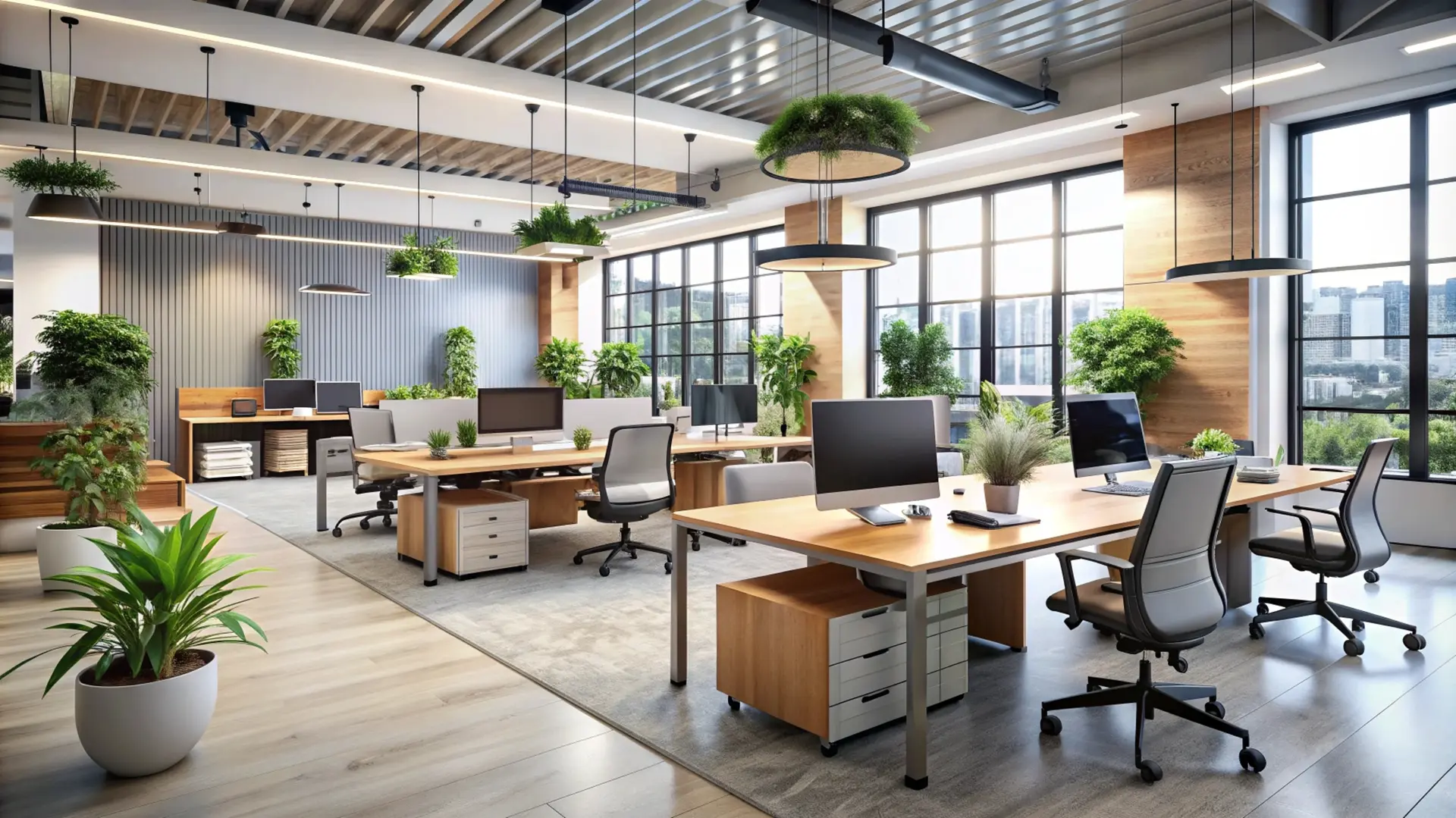
Despite early concerns that hybrid work would diminish demand for offices, it has instead reshaped how offices are formed. Corporates across Gurugram, Pune and Bengaluru are seeking flexible, modular layouts that support collaboration, rotation and employee wellness. Developers are responding with adaptable workspaces that align with changing workforce expectations, ensuring that office environments remain central to organizational culture and productivity.
5. GST reforms are improving project economics
Recent GST reforms have quietly strengthened the financial viability of commercial projects. By reducing tax rates on construction materials and allied services, these reforms have helped developers cut overall costs and streamline cash flows. While not as publicly discussed as other policies, these measures have played a crucial role in reviving stalled developments and encouraging new Grade-A commercial projects across major metros.
6. The logistics and industrial segment is emerging as a growth leader
E-commerce growth continues to transform India’s industrial and logistics real estate. Cities like Pune, Chennai, and Bhiwandi are experiencing increased demand for technologically enabled warehousing and fulfillment centers with automation and green technologies. The Jetapur Industrial Belt close to Indore, for example, has seen ₹7,549 crore invested by 44 companies as part of a major shift towards decentralized industrial development. This transition emphasizes logistics as a central element of India’s CRE sector.
7. Sustainable buildings are defining market leadership
Sustainability is now a commercial imperative. Major developments such as the Godrej Green Business Centre in Hyderabad have achieved Platinum IGBC certifications, setting benchmarks for energy efficiency and resource management. These projects integrate renewable energy, water conservation and waste reduction measures, reflecting a growing preference among multinational tenants for environmentally responsible properties. In 2025, green credentials have become a decisive factor in attracting premium occupiers.
8. Tier-2 cities are the next centers of investment
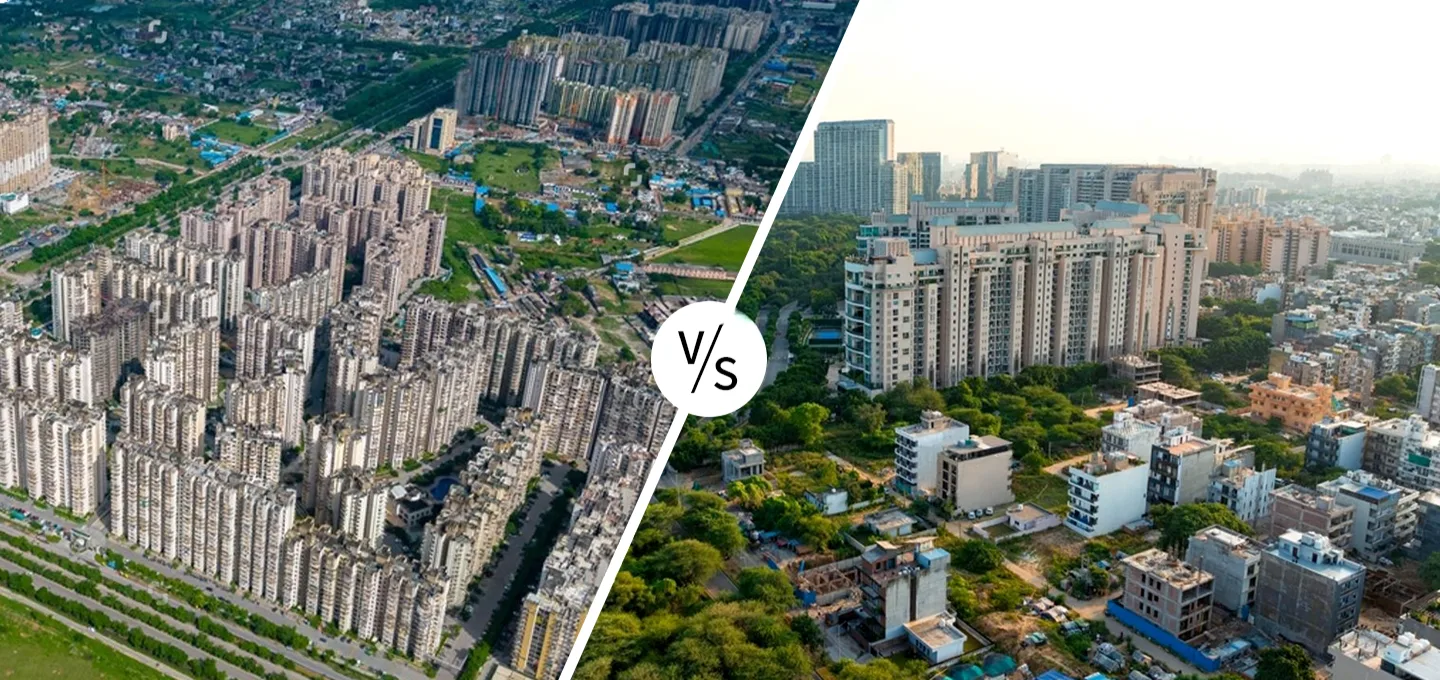
The rapid rise of Indore, Jaipur and Coimbatore underscores a major shift in India’s commercial geography. With improving infrastructure, lower land costs and strong local economies, these cities are becoming magnets for office, retail, and IT investments. Indore’s Super Corridor exemplifies this transition, with projects such as Omaxe’s 450-acre township (₹1,200 crore investment) and a new ₹1,000 crore IT Park expected to generate over 10,000 jobs. Tier-2 cities now represent both strategic diversification and high-growth opportunity for CRE stakeholders.
9. Institutional capital is returning with renewed confidence
Institutional investors are re-entering India’s office real estate space, with a preference for Grade-A, ESG-compliant assets with long lease tenures and strong occupier profiles. According to Colliers India, institutional investments in the Indian office real estate market grew by 27% year-to-year in the third quarter of 2025, to $0.8 billion. This growth is a restoration of investor confidence in the industry in spite of prevailing global economic instability.
10. Strategic adaptation is the defining advantage
The CRE leaders of 2025 are the ones who predict change, not only respond to it. Developers are investing in Tier-2 market, green certifications, and AI-enabled operations expansion, while investors are focusing on data-led decision-making and ESG-focused portfolios. In this rapid-changing industry, strategic responsiveness is based on sustainability, technology and policy awareness is the key to lasting success.
Conclusion:
India’s commercial real estate market is entering a mature, innovation-led phase. The combined impact of regulatory reform, technological adoption, and sustainable development is positioning the sector for long-term global relevance. From AI-powered campuses in Bengaluru to integrated industrial corridors in Indore, the future of Indian CRE is not defined by scale alone, but by intelligence, adaptability and purpose. Those who recognize and align with these shifts today will shape the commercial landscape of tomorrow.